Inner Mongolia Eppen Biotech Co., Ltd.

Inner Mongolia Eppen Biotech Co., Ltd.

specializing in chemical manufacturing

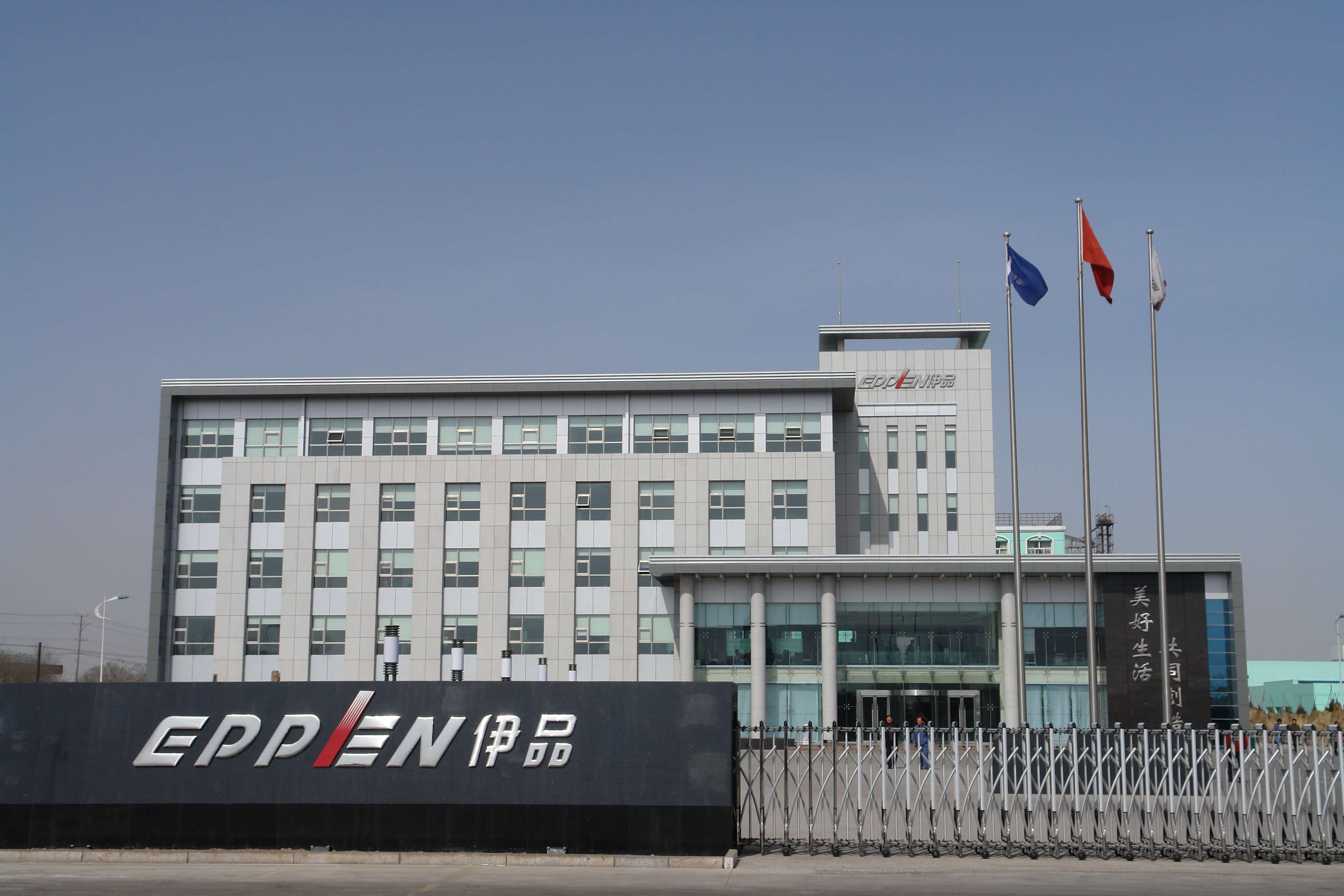
INNER MONGOLIA EPPEN BIOTECH CO.,LTD has been focusing on production and sales of feed additives, food additives and fertilizers. EPPEN is among the top 3 enterprises in fermentation industry of China and top 500 private enterprises in manufacturing of China....

Read More

Products

Capabilities

  1. Professional Support

    Product selection guidance, volume quotation, sample provision, and technical consultation ensure efficient purchasing decisions.

  2. Reliable Supply Chain

    As a certified manufacturer, we ensure stable chemical inventory, flexible production scheduling, and global logistics support.

  3. Quality & Compliance

    All products meet international standards (ISO, GMP, FCC/USP/EP), with each shipment accompanied by COA, MSDS, and optional TDS.

Inner Mongolia Eppen Biotech Co., Ltd.

Culture

Innovation

We continuously develop new chemical solutions and refine processes to meet evolving industry demands.

Sustainability

Our operations prioritize environmental stewardship, responsible sourcing, and long-term resource efficiency.

Reliability

Consistent quality, stable supply, and responsive support ensure our partners can trust us in every project.

News Center

Eppen Lysine

Our team puts on their safety shoes each day with a shared purpose: producing pure, consistent lysine. News stories come and go; what lives on is the responsibility we carry for those who depend on our product. Lysine never took the spotlight by accident. It stands among the most vital amino acids in animal nutrition, particularly for swine, poultry, and aquaculture. Seeing headlines about trade, pricing, or global shortages remind us that people often overlook what goes into a simple bag of lysine—years of process optimization, relentless controls, and a respect for the supply chain.At our factory, challenges don’t present themselves as abstract market forces—they arrive as interruptions in fermentation, raw material price spikes, or unpredictable utility costs. We know by now, glucose and carbohydrate sources keep the bioreactors humming, but those inputs rarely settle at a fixed price. Corn, wheat, tapioca, or cassava rise and fall with weather and geopolitics, and this has direct impact inside our gates. Down the road, livestock producers rely on predictable supply and pricing. If cost shifts in the lysine sector ripple outwards, feed costs change overnight, then supermarket shelves follow. These cause-and-effect cycles are not theory to us—they guide our every improvement.Our customers ask plenty of tough questions, especially when new players emerge in the lysine market or when a story surfaces about changes in oversight or production standards. Farmers and compounders want to know: Will the lysine meet promised guarantee? Are there new contaminants or variations batch to batch? Consistency holds more value to them than clever labeling or one-off discounts. Our analysts sample and retest for purity, moisture, and other technical properties before we even consider shipment. It doesn’t take a microscope to understand that loss of confidence in quality can set a manufacturer back years in a market as unforgiving as animal feed. Few reporters mention how closely we watch logistics and supply delays. There's a common belief that a globalized market makes everything cheaper and faster. In reality, a single port shutdown or customs dispute halts the flow of lysine straight from our warehouse. We have sat through meetings during raw material shortages, rerouting railcars or finding alternate shipping lines on painfully short notice. These aren’t problems a spreadsheet solves; they require teams who’ve experienced past crises, tracking every drum and bag to make sure feed mills never run dry. Traceability matters—the ability for us to show, at any point in our process, where our lysine came from and how it reached the customer. Animal producers face ever-growing pressure for transparency. Government agencies and international organizations inspect with increasing stringency, and we prepare for this not with paperwork, but with embedded controls, disciplined operator procedures, and a culture where cutting corners is never allowed. A common misunderstanding outside the industry is that lysine plants operate on chemical autopilot. Our operators and chemical engineers rotate shifts, monitoring air emissions, water consumption, and leftover fermentation byproducts. We invest heavily to minimize waste, recover energy, and make use of residual nutrients as feedstock or agricultural fertilizer. These are deliberate choices—both for compliance and for the long-term acceptance of our presence in local communities. When a story focuses purely on the finished product, it misses the reality that neighborhood relationships—noise levels, odors, wastewater—matter just as much in keeping a plant running as price and supply. We also believe local jobs and skills development form part of any real sustainability. Most of our hires come from the region, and we never forget the importance of knowledge transfer and training. This means fresh chemical technicians get up to speed on GMP, HACCP, and other controls so they can continue keeping the lysine lines moving safely and efficiently. Juvenile employment or temporary labor doesn’t cut it in our environment—our process complexity demands a workforce that truly understands both the science and the local context.Cost pressures and margin squeezes challenge us, but we look for solutions within reach. Process improvements—greater fermentation yields, tighter process control, smarter use of heat and water—come from daily work, not from one-off technological claims. Whenever the broader market brings up talk of "Eppen Lysine" and its global price role, we know most people picture spreadsheets, not shift logs matted with dust, sensor printouts, silo fill lists, or the posted energy budgets.Thinking about market headlines, we look well beyond this season’s price swings. Years have taught us that real resilience calls for heavy investment, not just in reactors or pipelines, but in teams that never stop questioning how to do things better. Safety, rigorous quality verification, water and energy efficiency—none happen automatically. Feedback from animal production partners and feed compounders turns into action every day inside our plant. Each time a story about "market turbulence" pops up, we remember the hard lessons learned the last time a vessel delayed in port or a shipment came up short on assay. The stories that matter to us are written by every operator, technician, and dispatch coordinator dedicated to sending out the next load of clean, dependable lysine to the world.

Eppen Biotech

As a chemical manufacturer watching developments at Eppen Biotech, the growing shift from traditional chemical synthesis to bio-based production stands out. Taking note of their advances, I've seen demand for precision and reliability increase across markets. Biological manufacturing, whether for enzymes, amino acids, or fermentation-based pharmaceuticals, brings new layers of complexity into daily operations. At our facility, we have had to upgrade not only production equipment but also analytical tools, workforce skills, and quality assurance procedures to stay on track with industry leaders. Eppen’s portfolio in areas like feed-grade amino acids and fine chemicals sends a signal to competitors: bioprocessing is no longer a niche. Rising consumer expectations about traceability and sustainability create an environment that encourages manufacturers like us to adopt more responsible sourcing, greener chemistry, and advanced process controls. Real-time process analytical technologies, like in-line near-infrared spectroscopy and automated sampling, play a much larger part in verifying every batch—no one trusts luck to catch quality deviations. Global customers, especially in animal nutrition and human health, increasingly ask for transparent supply chains, lower carbon footprints, and data to support every shipment. This demand shapes resource allocation, R&D projects, and vendor selection more aggressively than in the past.A manufacturer compares notes against Eppen Biotech’s vertical integration and continuous development pipelines. We feel the pressure to innovate faster in strain development and downstream processing. Their approach has pushed others to rethink old divisions between R&D and production teams. In practice, this means more direct feedback between process engineers and microbiologists. Fewer silos improve troubleshooting and enable us to respond rapidly to raw material shifts or fermentation upsets. But integration doesn’t erase persistent challenges. Raw material volatility, particularly in global markets, creates pricing risks. With Eppen’s scale, their purchasing power absorbs shocks better than smaller manufacturers. This compels the rest of us to pursue stronger long-term supplier contracts and diversify inputs, making us less vulnerable to price swings in corn, sugar, or energy. Sometimes, our response includes exploring alternative feedstocks and more efficient biocatalysis, or expanding pilot plant capacity to prototype new processes. As a result, our R&D departments see closer collaboration with procurement and logistics teams. It becomes clear that robust supply chain and operations management, not just scientific breakthroughs, underpin our ability to compete.Whether producing for export to the European Union or North America, the regulatory environment covers more of the production process than ever before. Stringent requirements for food safety, purity, and documentation mean we spend significant effort on independent audits, certifications, and electronic record-keeping. Eppen Biotech’s track record in meeting major international standards serves as both a benchmark and a motivator. Their visible regulatory compliance compels others to invest more heavily in digitalization, quality management systems, and employee training. For example, our recent upgrades to batch traceability software followed customer audits that compared our documentation rigor with top-tier producers. Regulatory bodies no longer settle for paper trails—they want integrated, rapidly accessible digital histories for every lot. In response, manufacturers develop automated data capture at every stage of processing, making root cause analysis and recall management more reliable. It’s common now to allocate a greater share of capital budget to cybersecurity and data integrity, since regulators treat tamperproof records as a baseline, not an enhancement. Watching how Eppen bridges compliance and market access, we find ourselves increasingly active in industry groups and working on harmonizing our protocols with international best practices.Looking at biomanufacturing through an environmental lens, large-scale players set ambitious targets for waste minimization, emissions reduction, and water recycling. Eppen’s attention to resource efficiency drives conversations among smaller producers, often kickstarting local industry collaborations on green chemistry or circular economy solutions. In our own facilities, we track everything from specific energy consumption per ton of product, to effluent composition after fermentation, and reuse of process water. The transparency expected by global customers leaves little room for shortcuts. Direct pressure from brand owners and regulatory agencies merges with public scrutiny from environmental NGOs. Meeting these targets requires substantial reinvestment: we have had to install heat recovery systems, integrated waste valorization, and advanced biological wastewater treatment. Corporate social responsibility reporting captures not just metrics, but investments in infrastructure and safety measures. Producers now realize that environmental compliance isn’t only a defensive posture—it opens new opportunities for preferred supplier status and long-term contracts. Companies like Eppen make it clear that environmental and economic sustainability must grow together, encouraging other manufacturers to be proactive rather than reactive about environmental stewardship.Skilled teams drive everything in biotech manufacturing. Eppen Biotech sets a pace that’s hard to match in terms of talent development, offering robust training, cross-disciplinary project assignments, and creative freedom for process improvement. As a fellow manufacturer, I see firsthand the struggle to recruit and retain staff with both hands-on bioprocessing knowledge and digital competency. Access to high-level training programs, partnerships with universities, and investment in continuous education now consume a larger slice of the HR budget. Many experienced operators learned on the job, mastering legacy systems, but running advanced fermentation or automation equipment today calls for additional skill sets. To bridge the gap, manufacturers offer apprenticeships, targeted upskilling, and industry certifications. Teams rotate more between R&D, engineering, and operations, shortening learning curves and opening up internal career ladders. Not only does this keep us competitive with leading firms, it improves employee loyalty and makes it less likely we’ll lose ground due to talent shortages. Eppen’s investments in people serve as a reminder: machinery and patents matter, but human capital drives long-term growth.The success of large biotech players echoes in partnerships across the supply chain. Unlike the secrecy once common in chemical industries, manufacturers increasingly acknowledge that joint R&D and open innovation are often more fruitful than working in isolation. We see this through collaborative projects with research institutes, agricultural cooperatives, and even competitors on precompetitive technology platforms. Knowledge-sharing accelerates problem-solving, especially in stubborn process bottlenecks or regulatory puzzles. Open collaboration also speeds up standardization, which benefits everyone along the supply chain, not just the biggest players. The push towards transparent, mutually beneficial relationships means manufacturers must refine negotiation skills, establish clear IP boundaries, and develop trust-based project management. Inspired by companies like Eppen, we have broken down some of our own internal barriers, forming cross-functional teams to address market shifts and customer needs more nimbly. Building these partnerships remains challenging, with competing priorities and cultural differences, but the rewards appear in faster commercialization timelines and broader market acceptance for bio-based products.Across sectors, end-users and resellers expect more than just products—they seek comprehensive support, fast problem resolution, and operational insights that help them use raw materials optimally. As a chemical manufacturer, I notice customers look for full transparency into the composition and origin of what they source, especially those serving human and animal nutrition markets. Companies like Eppen Biotech drive this trend by offering not just technical data, but field support, usage optimization, and timely updates about any changes in process or formulation. As customers increase their knowledge of biological products, they ask tougher questions and scrutinize technical claims. Manufacturers need robust technical teams able to answer detailed queries on topics ranging from microorganism strains and fermentation parameters to finished product applications. Investing in direct channels with customers, such as technical hotlines and on-site visits, allows real-time feedback loops. Problems get flagged faster and solutions can be prototyped, tested, and implemented with less disruption. Learning from the customer-centric approach of top-tier producers, we place more focus on knowledge transfer and technical partnership than in the past.Fast advances in process automation, artificial intelligence, and digital twins reshape what’s possible in bio-based manufacturing. Firms like Eppen Biotech serve as early adopters and proof points for new process control software, predictive maintenance, and advanced analytics. Watching these developments, we see real value in tackling production variability, squeezing more yield from identical inputs, or spotting contamination risks days before they would affect output. Investments in next-generation sensors and hybrid control systems allow chemical manufacturers to run pilot trials at larger scale, de-risking new pathways quickly. Tech transfer from lab to plant becomes more reliable, giving us a fighting chance to close the gap with industry front-runners. Ultimately, tech adoption spills over to cost competitiveness, faster scaling, and smoother regulatory approval processes. Learning from how industry leaders implement such technologies in real projects highlights the need to modernize both infrastructure and mindsets—resisting change simply means falling further behind.

Ningxia Eppen Biotech Co., Ltd

Manufacturers in the chemical industry pay close attention to players like Ningxia Eppen Biotech Co., Ltd not from the outside, but in the midst of a shared environment shaped by evolving markets and resource challenges. We share manufacturing roots in China, and over the years, it’s impossible to overlook Eppen’s expansion within fermentation-based amino acids and related nutritional ingredients. Knowledge of feed and food additives in practice extends beyond lab benches into vats, fermenters, granulators, dryers, and packaging lines. Knowing what it takes to run an efficient, clean, and consistent operation, we see Eppen’s capacity not just in brochures but in action. Large-scale glutamic acid production or the output of threonine cannot be faked—volumes like that point to significant investment in process control, waste handling, and raw material logistics, particularly when grain prices and labor pools fluctuate sharply across northern and western China.From inside the factory, regulatory pressure means audits are familiar friends and unexpected visitors. As the years have brought tighter environmental rules across China, ammonia and nitrate discharge don’t get swept under the rug. Eppen’s large operations must navigate these complexities daily. Our colleagues at the line level know how difficult it becomes to maintain stable fermentation targets when municipal water content shifts, or when stricter effluent standards force costly upgrades in bioreactor cleaning or wastewater treatment. While competitors in smaller facilities fight to survive, large manufacturers lean on higher degrees of automation, in-house technical teams, and stronger bargaining power for feedstocks. Industry knowledge says buyers demand uninterrupted delivery; a single missed shipment of lysine or tryptophan strands feed mills and trading houses. Reliability earns trust: Eppen, much like ourselves, builds multi-year supply agreements because customers trust a manufacturer’s capacity to adapt to shocks, manage price volatility, and keep lines running in political or pandemic storms.Amino acid production much more than a simple mix and package operation. Continuous improvement—both incremental and radical—drives success. Investment in fermenter strain selection, energy management, and process recycling comes not just from investor pressure, but from hands-on necessity. If you stand on a production floor day in and day out, energy loss in the process upsets the bottom line. Teams working 24-hour shifts don’t like line stoppages, and management doesn’t write that off, either. Facilities like Eppen’s that reach global sales volumes enjoy remarkable technology and process advantages, and smaller plants look to reverse engineer and emulate the control systems, but the reality of seamless end-to-end production takes years to build. Real leadership comes from investing in R&D, keeping up with industry trends from protein consumption, to shifts in animal nutrition science or international safety standards. Companies that only focus on immediate sales or low prices tend to struggle long-term as buyers shift to suppliers able to provide traceable, certified, and consistent output year after year.Today’s landscape for chemical ingredients changes faster than ever. What worked even five years ago—shipping bulk containers of feed additives to waiting ports—gets disrupted by trade maneuvering, anti-dumping lawsuits, and geo-political swings. Exporters like Eppen, and ourselves, face more than simple price wars. End-users in Europe, the Americas, and Southeast Asia ask for traceability, proof of sustainable sourcing, certified environmental impact, and clear audit trails. Eppen and other integrated manufacturers must demonstrate documentation that tracks raw materials from farm suppliers all the way to finished molecular profiles, with regulatory compliance at each step. As both a peer and a participant, we see the value in these improvements, anticipating wider adoption of digital batch management, real-time data reading from production lines, and AI-driven yield prediction, not to impress officials, but to ensure resilience in a supply chain increasingly vulnerable to both natural and man-made disruptions. Only those willing to meet detailed record-keeping and transparency requirements thrive in this new environment, especially as customers step beyond price and ask about carbon footprints, water use, and waste valorization.Balancing rapid scale-up against environmental, social, and operational risks forms the heart of modern chemical manufacturing. Many see Eppen through headlines or product lists, but on the ground, meaningful progress appears in utility optimization projects, employee upskilling, and real partnerships with local authorities and technology providers. We recognize it remains easy to lose sight of the people behind the products: workers managing multi-shift schedules, engineers fine-tuning fermenter conditions, procurement teams coping with agricultural price swings, and compliance managers racing to keep paperwork current for every outbound container. Practical solutions arise when manufacturers collaborate with research universities, adopt bio-based production routes, and pilot new energy-saving or emissions-reducing systems. Whether the next years deliver raw material shortages, regulatory surprises, or staff turnover, the only way forward comes from continual reinvestment in operations and a belief that improvement must never stop. At the core of it, true chemical manufacturers face the same heat, same messes, same unpredictability—trust grows when customers see us and our peers like Eppen choosing to tackle those realities head-on, not passing the buck to middlemen or brokers.